












































Skip to content
Feb 12, 2026

How publishers can maintain traffic quality and trust

Reliable audience activity and transparent traffic sources form the foundation of effective digital advertising. High traffic quality contributes to fair measurement, sustainable partnerships, and confident investment.

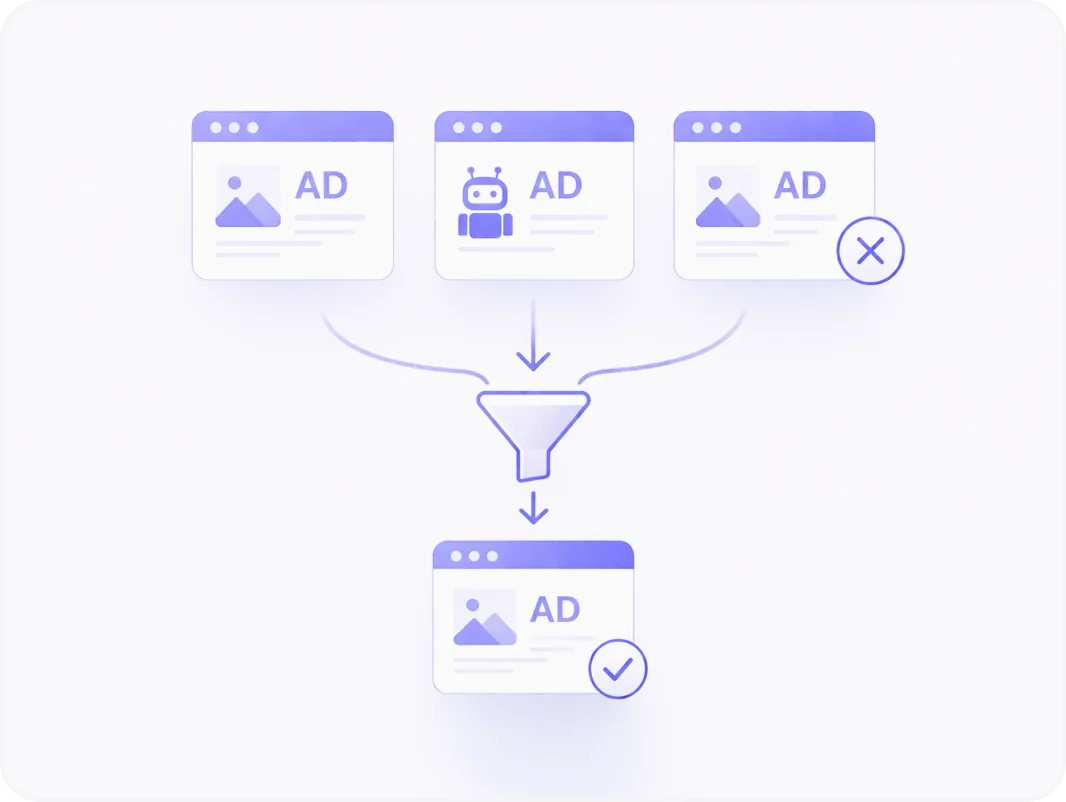
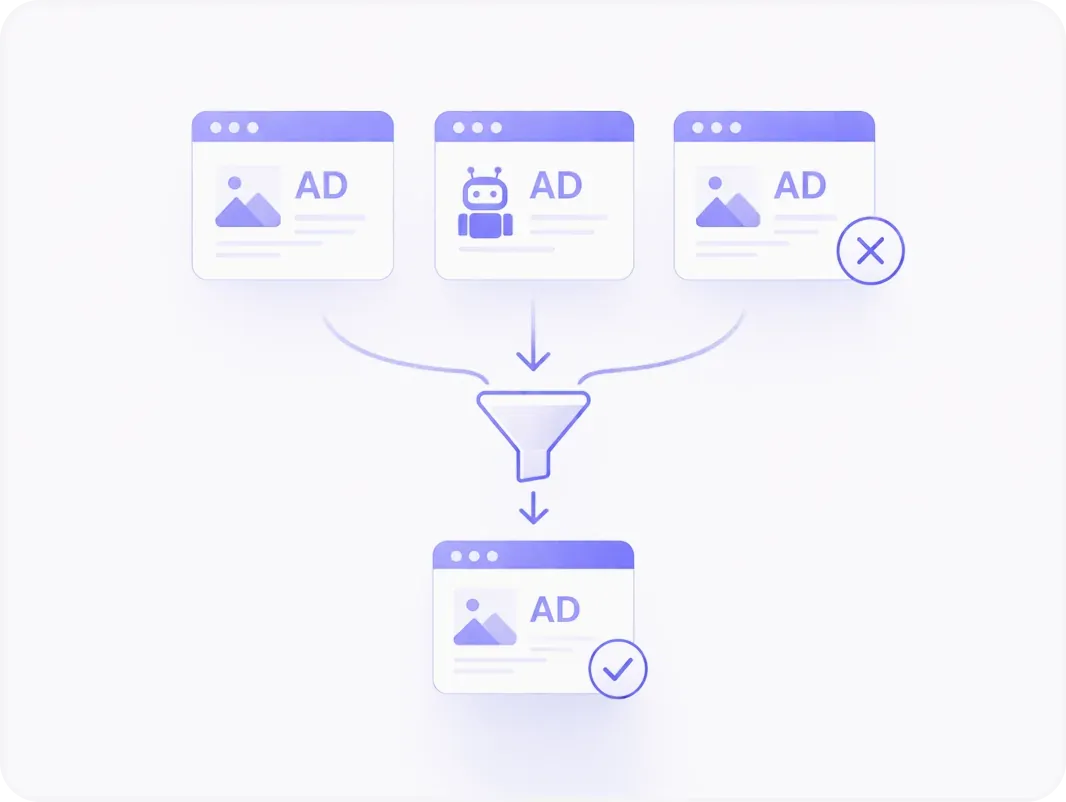
Illustration for the article “How publishers can maintain traffic quality and trust”

What is traffic quality?

Traffic quality refers to the authenticity and reliability of audience activity on a website. High-quality traffic comes from real users who engage naturally with content.

In contrast, low-quality traffic comes from sources that do not reflect genuine user interest or behavior. This includes automated bots, incentivized visits, misleading redirects, and more.

Authentic audience activity
Genuine user engagement

Accurate insights and sustainable revenue rely on recognizing the difference between real engagement and artificial activity.

What are IVT and SIVT?

In digital advertising, low-quality traffic is often categorized as IVT or SIVT.

Invalid traffic (IVT) includes visits generated by bots, click farms, or automated activity that artificially inflates metrics. Sophisticated invalid traffic (SIVT) is harder to detect, as it imitates human behavior, like scrolling, moving the cursor, clicking on links, and similar activities.

Types of traffic sources

The origin of the website traffic is essential for assessing quality and engagement. Different sources carry varying levels of reliability and user intent. The main types of traffic sources include:

  • Organic traffic, which comes from search engines or direct visits, reflects genuine user interest and intent.
  • Referral traffic, which originates from links on other websites, indicates content relevance and external credibility.
  • Social traffic, coming from social media platforms, can drive high engagement but varies in quality depending on source and platform behavior.
  • Paid traffic, generated through advertising campaigns, requires careful monitoring to ensure it meets viewability and transparency standards.
  • Email or newsletter traffic, which arrives via subscriber communications, often shows strong engagement and higher conversion potential.

Publishers should be aware of the traffic types to identify high-quality audiences and make sure the traffic they deliver meets advertiser expectations.

Industry standards for traffic quality

Industry standards for traffic quality define the criteria for valid and reliable website traffic and provide a shared framework for publishers and advertisers. Among the most widely recognized is the Interactive Advertising Bureau (IAB) traffic guidelines. They outline acceptable traffic sources, measurement methods, and definitions of invalid traffic.

The Media Rating Council (MRC) invalid traffic standards provide audit-ready methods for detecting and categorizing both IVT and SIVT. At the same time, the Trustworthy Accountability Group (TAG) anti-fraud initiatives establish certification programs and best practices to prevent fraud. Together, these standards create a strong foundation for evaluating traffic quality.

Industry traffic standards
Verification frameworks

Why traffic quality matters

Traffic quality plays a role because it directly affects a publisher’s credibility and revenue. When audiences are genuine and engagement is real, advertisers can trust the reported results, campaigns perform as expected, and partnerships grow stronger. Conversely, low-quality traffic can trigger disputes, skew analytics, and reduce long-term monetization potential.

Practices for ensuring traffic quality

Practice #1

Choosing verified platforms

Advertising networks with third-party verification and built-in fraud detection tend to deliver more reliable results. These platforms usually provide greater transparency and better audience interaction.

Choosing verified platforms

Practice #2

Monitoring campaign metrics regularly

Campaign performance can reveal hidden issues when metrics are closely observed. Tracking impressions, click-through rates, conversions, and engagement patterns helps identify anomalies and optimize outcomes.

Monitoring campaign metrics regularly

Practice #3

Brand-safe inventory

Publishers should monitor where their ads are displayed and maintain control over their own content and inventory. Providing ad placements alongside relevant content protects publisher credibility.

Brand-safe inventory

Practice #4

Using anti-fraud and verification tools

It is advisable to deploy tools that detect bots, click farms, and other invalid activity. Regular checks and automated alerts allow publishers to respond quickly to suspicious activity.

Using anti-fraud and verification tools

Measuring traffic quality

To measure traffic quality effectively, it is essential to start by tracking unique visitors, session duration, and page depth. High-quality traffic typically shows longer sessions, multiple page views, and natural navigation patterns, while bots or low-quality visits are often single-page, very short sessions.

Another important set of metrics includes click patterns, engagement rates, and conversion behavior.

Sudden spikes in clicks or abnormal CTR can signal invalid traffic. Comparing metrics across traffic sources, devices, and geographic regions helps identify inconsistencies. At the same time, using third-party verification tools allows publishers to detect both IVT and SIVT efficiently and implement traffic segmentation.

In short

Summary

Trust and traffic quality are essential for accurate measurement and sustainable digital advertising. By verifying traffic sources and monitoring for invalid activity, publishers can protect revenue and foster stronger advertiser partnerships.